Wildlife of Kerala: A Beginner’s Guide for Global Nature Photographers
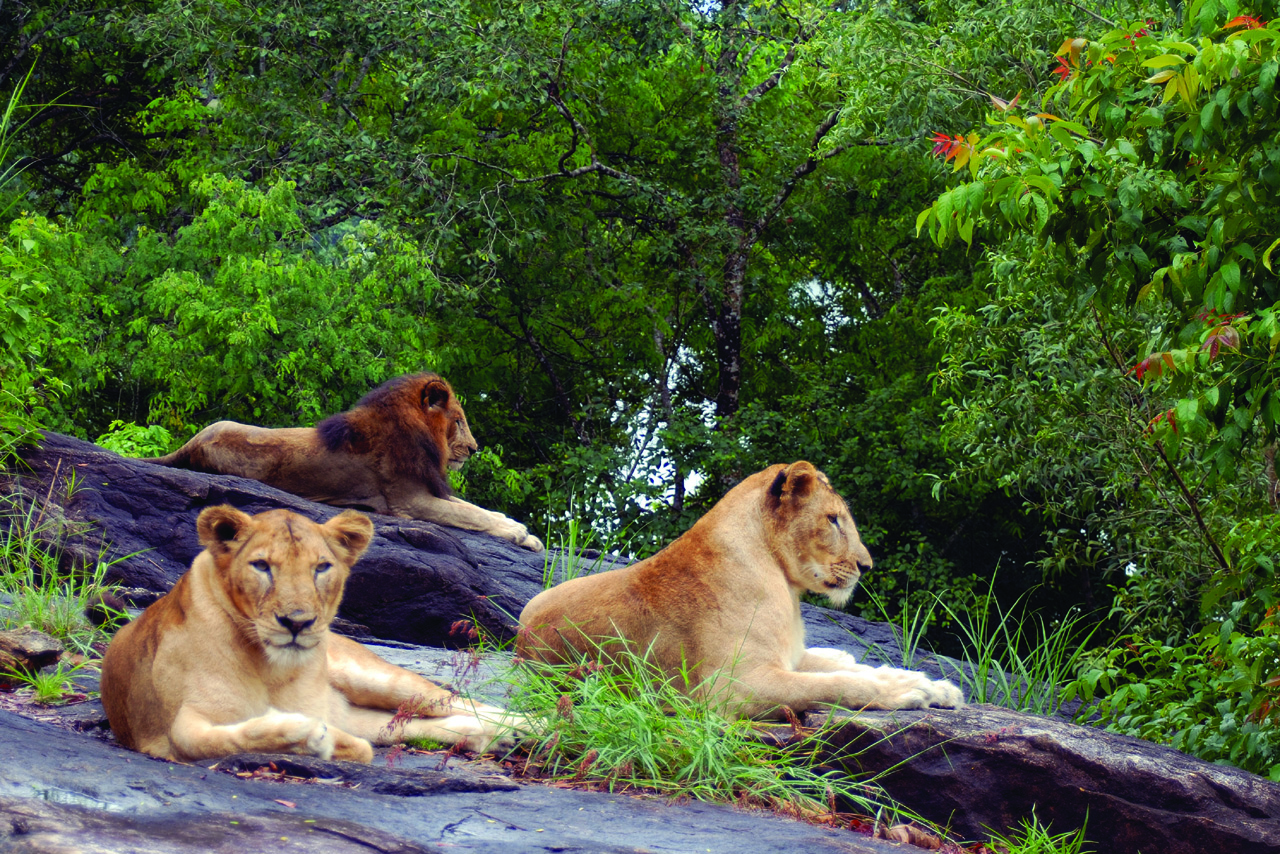
Kerala’s ecological richness is shaped by the Western Ghats Recognised as one of the world’s eight hottest biodiversity hotspots (Myers et al., 2000). , a mountain range that supports extraordinary wildlife and some of the rarest species on Earth. For international nature photographers seeking dramatic landscapes, elusive animals, and rainforest light patterns, Kerala offers an unparalleled field experience. Its protected regions—ranging from high-altitude grasslands to deep tropical rainforests—provide a naturally lit studio where both beginners and seasoned photographers can explore wildlife behaviour in its purest form.
This guide introduces Kerala’s iconic species, the best reserves for photography, the ideal seasons, camera tips, and ethical guidelines. Each section is crafted for global readers who want a meaningful, responsible, and visually rewarding wildlife photography journey in South India.
Iconic Wildlife Species of Kerala for Photographers
The Western Ghats An internationally recognised biodiversity hotspot stretching along India's west-coast hills (UNESCO, 2012). are home to extraordinary levels of endemism and globally threatened species — making them a top destination for wildlife photographers. 1
1. Nilgiri Tahr (Eravikulam National Park)
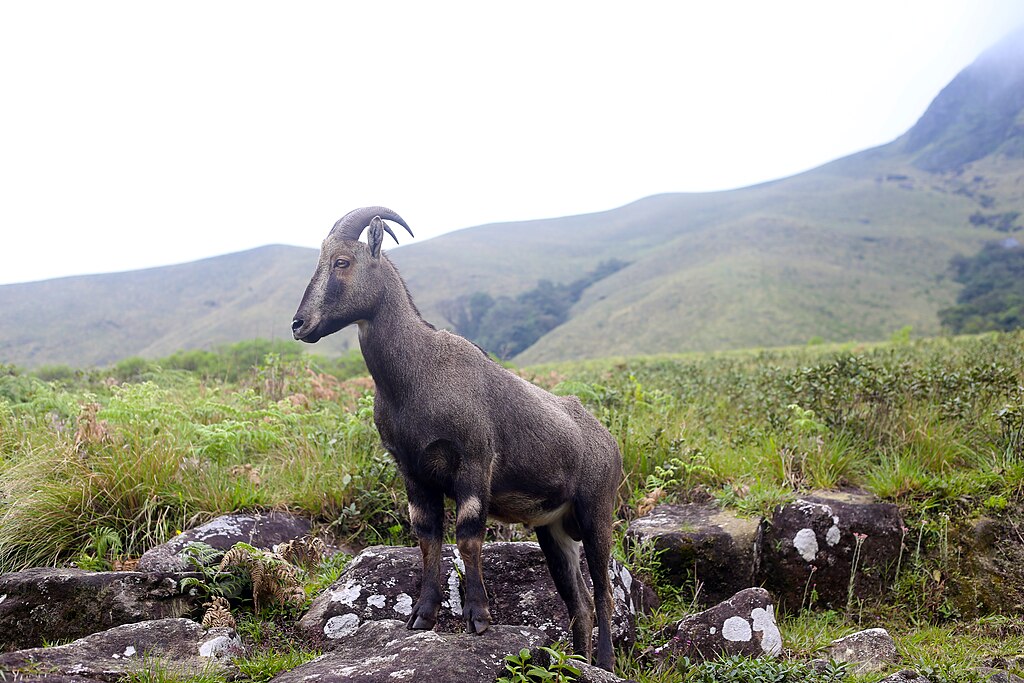
The Nilgiri Tahr (scientific name: Nilgiritragus hylocrius) is a mountain ungulate endemic to the high-altitude grasslands and shola habitats of the Western Ghats. It is among the flagship species of the region. 2
2. Lion-Tailed Macaque (Rainforest zones in Silent Valley / Wayanad / Periyar region)
The Lion-tailed macaque (Macaca silenus) is an arboreal primate endemic to the evergreen rainforests of the Western Ghats. It is globally endangered and one of the rare primates whose natural habitat offers dense forest canopy — a rewarding but challenging environment for photographers. 3
3. Malabar Giant Squirrel
The Malabar giant squirrel (also called the Indian giant squirrel) is a large, multi-coloured tree-dwelling rodent native to India’s forests — including the moist deciduous and evergreen zones of the Western Ghats. Its vivid, varied fur and arboreal habits make it ideal for creative canopy photography. 4
4. Hornbills (e.g. Great Hornbill / Malabar Grey Hornbill)
Hornbills are among the most iconic birds of the Western Ghats forests. Their size, distinctive casque/bill, and forest-canopy activity make them a striking subject for wildlife and bird photographers. 5
5. Asian Elephants
The dense forest corridors and protected reserves in the Western Ghats support significant populations of Asian elephants — making possible the capture of majestic herd movement, misty-morning silhouettes, and forest-edge interactions. 6
Best Wildlife Photography Locations in Kerala
Kerala’s protected areas form one of India’s most ecologically rich forest networks, offering rainforest, grassland, wetland, and montane habitats ideal for wildlife photography. These reserves also lie within the Western Ghats A UNESCO World Heritage Site known for exceptional biodiversity and endemism (UNESCO, 2012). belt, making each location uniquely rewarding for global nature photographers. 7 Kerala’s forests, wetlands, and hill ecosystems create some of the richest wildlife corridors in India. For global wildlife photographers, the state offers diverse terrains—from lowland swamps to cloud-forest peaks—supporting endangered species such as the Nilgiri tahr, lion-tailed macaque, and Asian elephant1. Below are the most rewarding locations for serious nature photographers.
1. Periyar Tiger Reserve (Thekkady)
Periyar’s combination of tropical evergreen forests, bamboo groves, and a vast artificial lake makes it one of India’s most accessible wildlife parks. Boat safaris allow rare opportunities to photograph wild elephants, gaur, sambar, and occasionally tigers near the waterline2. Early morning sessions are especially productive due to mist-laden light conditions. Periyar is one of India’s most iconic wildlife landscapes, known for its dense evergreen forests, elephant herds, tiger presence, and boat-based wildlife viewing. The artificial lake, formed by the Mullaperiyar dam in 1895, creates natural photographic frames around shorelines and open grass patches where animals gather. 8
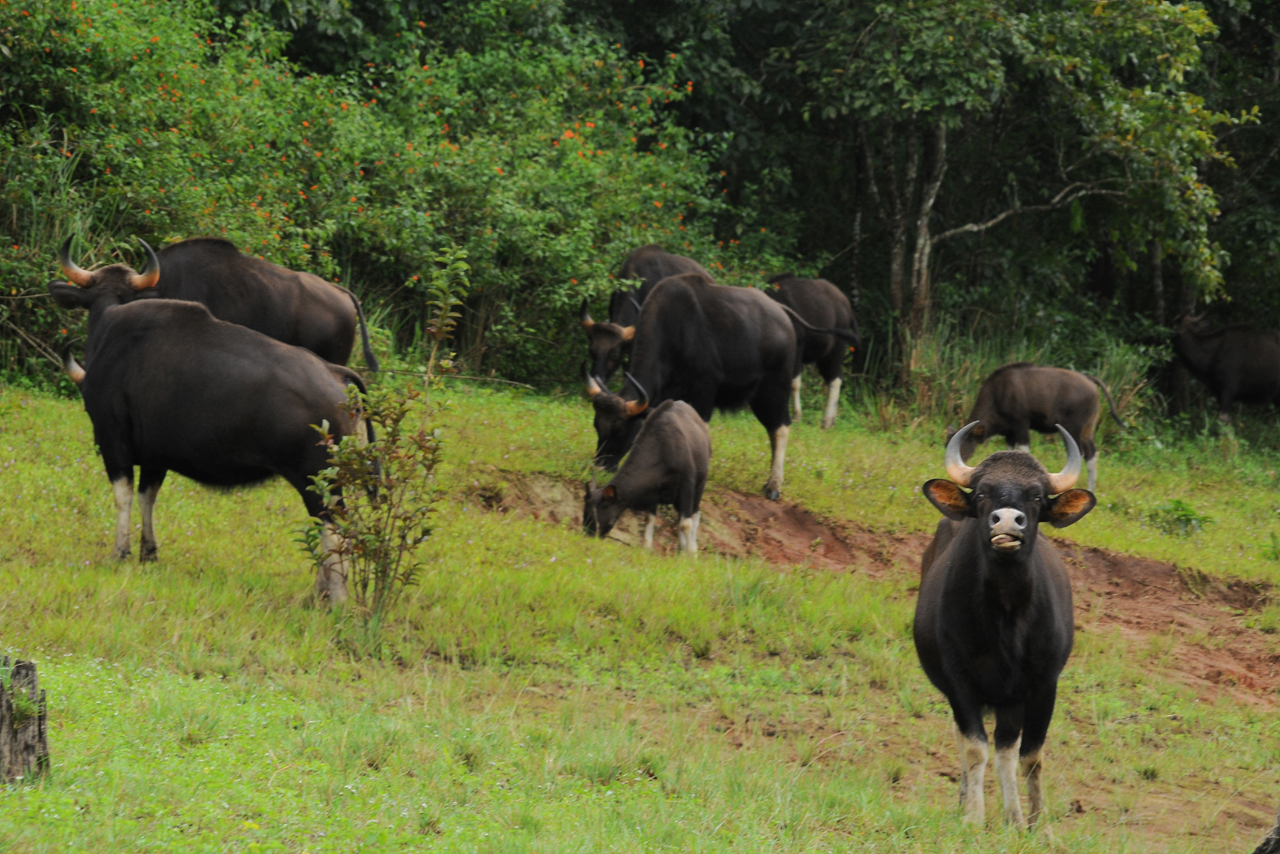
Image Credit: Tourism Department
2. Silent Valley National Park
Considered the last significant stretch of undisturbed tropical rainforest in India, Silent Valley offers unmatched opportunities for photographing. Silent Valley is a pristine rainforest ecosystem that remained scientifically undocumented until the late 20th century. Its undisturbed canopy, high rainforest index, and status as a stronghold of the Lion-tailed macaque make it a global hotspot for biodiversity researchers and photographers. 9
3. Eravikulam National Park (Munnar)
Eravikulam is India’s first wildlife sanctuary designated specifically to protect the Nilgiri Tahr. Its high-altitude shola–grassland ecosystem offers sweeping, open landscapes ideal for wide-frame wildlife compositions. The park is also known for the rare Neelakurinji flowering phenomenon every 12 years. 10
4. Parambikulam Tiger Reserve
Parambikulam, part of the Anamalai landscape, is known for tiger conservation, large herds of gaur, thriving elephant populations, and rich avifauna. Its habitat mosaic includes teak plantations, moist deciduous forest, and swampy wetlands — providing diverse photographic possibilities. 11
5. Wayanad Wildlife Sanctuary
Wayanad lies within the Nilgiri Biosphere Reserve and forms a continuous wildlife belt with Bandipur and Nagarahole National Parks. This region is famous for large herds of elephants and frequent leopard sightings near forest edges4. Dense bamboo clusters and open grasslands offer contrasting photographic settings. Muthanga is known for elephant families and spontaneous wildlife crossings. Photographers favour this region for its natural backlighting opportunities created by tall teak and rosewood forests7.
6. Thattekad Bird Sanctuary (Salim Ali Bird Reserve)
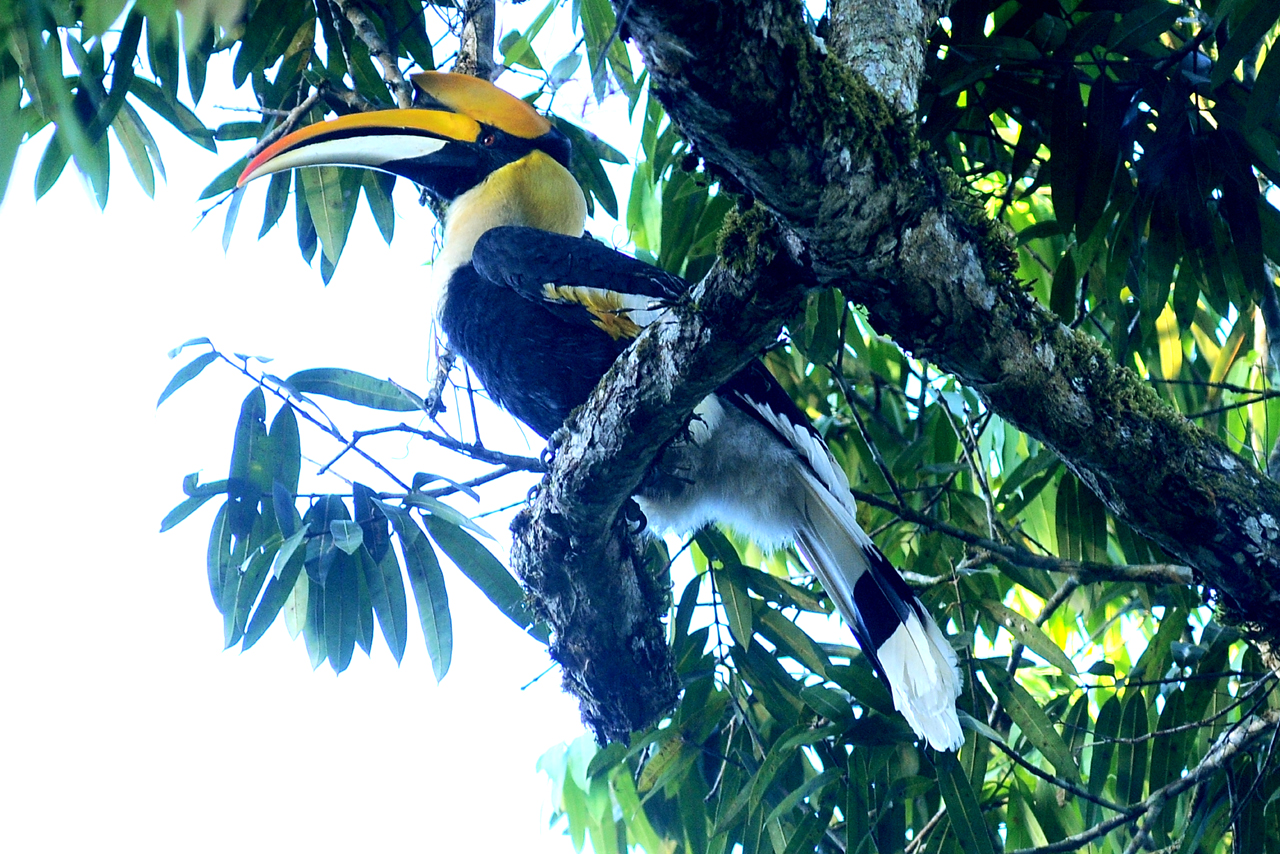
Image Credit: Tourism Department
Designed by India’s pioneer ornithologist Dr. Salim Ali, Thattekad remains Kerala’s richest lowland bird habitat. The sanctuary attracts international birders and nature photographers for its high species density, especially among Western Ghats endemics. 12
7. Kumarakom & Kadalundi Bird Sanctuaries
For avian photographers, Kerala’s wetlands are treasure houses. Kumarakom attracts hundreds of migratory birds, including Siberian species during winter6. Kadalundi, on the Malabar coast, hosts over 60 species of coastal and estuarine birds, offering spectacular action shots during feeding hours.
IV. Essential Photography Tips & Ethical Guidelines for Shooting in Kerala
Photographing Kerala’s protected landscapes and wildlife demands both technical skill and cultural sensitivity. The state includes fragile ecosystems such as sholas, mangroves, monsoon forests, and wildlife corridors that support endangered species8. Following responsible methods ensures that photographers capture compelling images without disturbing habitats or local communities.
A. Essential Photography Tips for Kerala’s Landscapes & Wildlife
1. Understand Kerala’s Lighting & Weather Cycles
Kerala’s monsoon-driven climate creates highly diffused, soft lighting ideal for rainforest photography. However, sudden low-pressure formations can alter lighting instantly. The pre-monsoon and post-monsoon periods offer stable skies, dramatic clouds, and saturated colours perfect for wide-angle compositions9.
2. Choose the Right Gear for Tropical Terrains
High humidity demands weather-sealed lenses and silica-gel protection. Telephoto lenses (300–600mm) are essential for forest wildlife, whereas wide-angle lenses (14–35mm) highlight Kerala’s waterfalls, backwaters, and high-altitude meadows. Tripods with anti-slip rubber feet work best on wet forest floors and laterite soil.
3. Know Animal Behaviour Before Entering the Field
Understanding animal movement increases safety and improves photographic timing. For example, elephants are most active at dawn and dusk, while lion-tailed macaques prefer mid-morning for canopy foraging. Behavioural study is recommended before visiting protected areas10.
4. Use Natural Framing Techniques
Kerala’s forests provide ideal natural frames—lianas, bamboo arcs, shola tree windows, and reflective surfaces on backwaters. Shooting through these structures enhances depth while preserving environmental context.
5. Avoid Flash in Forests
Flash photography disturbs nocturnal animals and may trigger defensive responses in elephants and ground-dwelling mammals. Kerala’s Protected Area rules strictly discourage artificial lighting for wildlife photography11.
B. Cultural & Ethical Guidelines for Responsible Photography
1. Respect Tribal & Indigenous Communities
Many Kerala forests border indigenous settlements, including Kurichiyar, Kattunaikka, Mannan, Paniya, and Malayar communities. Photographers must request consent before taking pictures and avoid capturing culturally sensitive rituals or livelihoods without permission12.
2. Follow Ethical Bird Photography Practices
Avoid approaching nesting sites or using recorded calls to lure birds—both disrupt natural behaviour and reduce breeding success. Ethical guidelines recommend silent observation at a safe distance, especially in wetlands like Kumarakom and Kadalundi13.
3. Maintain Safe Distances from Wildlife
Kerala’s wildlife corridors connect multiple habitats across the Western Ghats. Approaching animals for close-ups disrupts these natural movements. Telephoto lenses and elevated viewpoints should be used to avoid stress to animals14.
4. Respect Sacred Spaces & Ritual Landscapes
Many natural sites in Kerala are culturally sacred—such as groves (kaavu), hill shrines, and ritual forests associated with Theyyam and other traditions. Photography should be discreet and respectful, avoiding intrusion during ceremonies unless permitted by temple authorities.
5. Leave No Trace
Strictly avoid littering, disturbing vegetation, or altering landscapes for better angles. Kerala’s ecotourism zones adopt a “leave only footprints” approach to protect fragile habitats in forest and coastal regions15.
6. Follow Legal Regulations in Protected Areas
Drone usage, night entry, and off-road trails are restricted in many Kerala wildlife sanctuaries. Violations can lead to penalties under the Wildlife Protection Act. Always check location-specific rules before planning shoots16.
A. Best Seasons for Nature Photography in Kerala
1. Winter (November–February)
The winter months are considered the most favourable for landscape and wildlife photography. Clear skies, low humidity, and soft golden-light conditions enhance visibility in hill stations and wildlife reserves. Migratory birds arrive in the wetlands of Kumarakom, Kadalundi, and Thattekad during this season.
2. Pre-Monsoon (March–May)
Pre-monsoon evenings offer dramatic skies with cumulonimbus formations, creating ideal conditions for sunset and lightning photography. Wildlife sightings also improve due to reduced water availability inside forests, drawing animals to known water sources.
3. Southwest Monsoon (June–September)
The monsoon transforms Kerala’s green cover with powerful waterfalls, misty valleys, and saturated rainforest hues. Although trekking in protected areas is restricted during this period, monsoon photography of landscapes, rivers, and cloud forests is unparalleled. However, equipment protection is essential due to heavy rainfall.
4. Post-Monsoon (October–November)
The post-monsoon phase stabilises weather conditions, making it ideal for capturing mist-filled forests, rejuvenated waterfalls, and vibrant hill landscapes of Munnar, Nelliyampathy, and Wayanad. It is also the prime season for macro photography due to increased insect activity.
B. Suggested Photography Routes Across Kerala
1. Western Ghats Mountain Route
Munnar → Eravikulam → Marayoor → Chinnar → Anaimalai Hills
This route covers high-altitude grasslands, shola forests, sandalwood valleys, and rain-shadow
wildlife habitats—ideal for photographing Nilgiri tahr, gaur, and panoramic hillscapes.
2. Northern Forest–Coastal Route
Wayanad → Muthanga → Kuruva Island → Kozhikode Coast → Kadalundi Estuary
Photographers gain access to elephant corridors, riverine islands, mangrove ecosystems, and rich
coastal birdlife in a single stretch—ideal for a multi-genre photography expedition.
3. Central Wetlands Route
Kumarakom → Vembanad Lake → Pathiramanal Island
This route is perfect for bird photographers seeking migratory species, tranquil backwater reflections,
and soft sunrise/sunset lighting over Kerala’s longest lake.
4. Southern Rainforest–Hill Route
Agasthyarkoodam Base → Ponmudi → Peppara Wildlife Sanctuary → Neyyar
The southern forests of the Western Ghats offer rare chances to photograph endemic flora, orchids,
amphibians, and dense low-light landscapes.
C. Practical Travel Logistics for Photographers
1. Transport & Accessibility
Kerala is well connected through a network of airports (Kochi, Thiruvananthapuram, Kannur), rail routes, and hill highways. However, reaching interior forest areas often requires vehicles permitted by the Forest Department and guided entry through eco-tourism centres.
2. Permit Requirements
Entry to national parks, tiger reserves, and biosphere zones requires specific permits. Drone flying is restricted or banned in protected areas unless special authorisation is granted under the Wildlife Protection Act.
3. Accommodation for Photographers
Forest lodges, eco-huts, homestays, and government-run inspection bungalows provide close access to wildlife zones. Many eco-tourism centres in Parambikulam, Gavi, and Periyar offer early morning activities essential for photographers.
4. Safety & Health
Tropical environments require precautions such as leech protection, hydration, insect-repellent use, and respecting trail guidelines. During monsoon treks, trails may be closed due to landslides and safety concerns.
VI. Conclusion: Kerala as a Global Classroom for Nature Photographers
Kerala provides a rare blend of biodiversity, cultural depth, and accessible landscapes that few regions in the world can match. From the rainforests of the Western Ghats to the coastal wetlands of Malabar, each habitat offers unique photographic opportunities supported by scientific importance and conservation value. For photographers—beginners, enthusiasts, or professionals—Kerala functions not only as a destination but as a living ecological classroom.
By combining technical preparation with ethical field practices, photographers contribute positively to conservation awareness while capturing images that reflect the true essence of Kerala’s natural world. Every frame becomes part of a larger story—one that protects ecosystems, respects cultural landscapes, and celebrates the interconnectedness of life across the Ghats, forests, backwaters, and coastlines.
References
- UNESCO World Heritage Centre – Western Ghats Serial Sites Documentation.
- India Meteorological Department – Kerala Climate Data & Seasonal Analysis 2023.
- Wildlife Institute of India – Western Ghats Conservation Landscape Reports (2021–2023).
- Kerala Forest Research Institute (KFRI) – Biodiversity Notes for South & North Kerala.
- Bombay Natural History Society (BNHS) – Migratory Bird Advisory & Ethical Guidelines.
- Kerala Forest Department – Protected Area Regulations & Code of Conduct (2022).
- Ministry of Tribal Affairs, Government of India – Kerala Scheduled Tribes Atlas 2021.
- Kerala Ecotourism Society – Minimal Impact & Responsible Travel Guidelines.
- Kerala State Disaster Management Authority (KSDMA) – Monsoon Safety Advisory 2023.
- Wildlife (Protection) Act, Government of India – Drone and Photography Compliance Rules.