The Shores of Resilience: An Expert Guide to Kerala's Coastline, Geo-Tourism, and the Humane Travel Mandate
I. Kerala's Coastal Tapestry: An Introduction to the Arabian Sea's Embrace
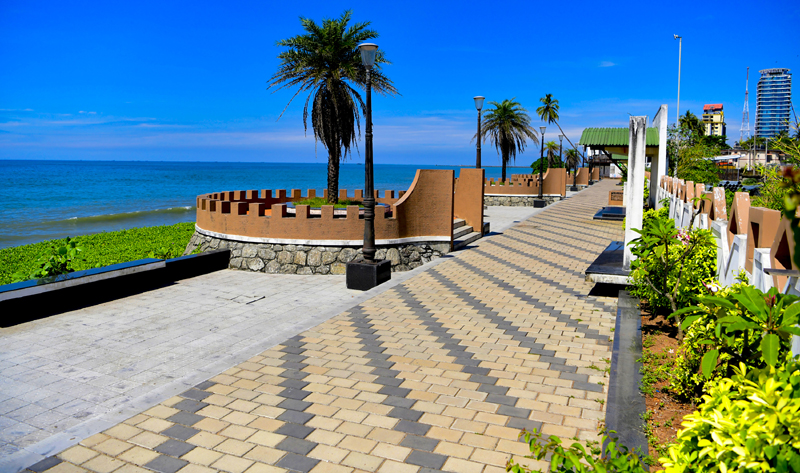
Kerala, celebrated globally as "God's Own Country," offers a coastal experience uniquely distinct from other tropical destinations. The coastline, stretching over 580 kilometers along the Arabian Sea, is not merely a fringe of sand, but a highly complex and interconnected ecosystem.1 This landscape is characterized by a dramatic, triple-layer structure: the turbulent sea, the tranquil, parallel backwaters (a labyrinth of lagoons and canals), and the towering Western Ghats providing a verdant, mountainous backdrop.2 This geographical complexity ensures that a visit to a Kerala beach rarely involves only sand and surf; it is inherently a holistic journey blending maritime culture, estuarine ecology, and occasionally, unique geological history.4
The Unique Identity of Kerala's Coastline: Beyond Sand and Surf
The coastal regions of Kerala are characterized by their dynamic interaction with the backwater system. Many significant beaches are located near the confluence zones, where freshwater rivers and canals meet the brackish lagoons before draining into the sea. Notable examples of these estuary zones include Kappil, Poovar, and Alleppey, which offer a geographical duality—the energy of the ocean paired with the serenity of inland waterways.4 This blend means the coastal experience naturally encompasses lake cruising and canal exploration, defining a travel itinerary that is intrinsically diverse. Furthermore, sites like Varkala are defined by extraordinary geological formations, while places like Bekal are anchored by centuries of historical fortification.6
This inherent geographical complexity serves as an important selection mechanism for travelers. The unique conditions, such as the frequent estuary formations and dramatic cliff faces, generally preclude the vast, high-density commercial beachfront developments seen in regions dedicated solely to mass, sun-and-sand tourism. Instead, Kerala’s coast fosters a slower, more culture-focused type of travel. The traveler who seeks seclusion, cultural depth, and interaction with traditional livelihoods finds a natural fit here.
Strategic Positioning: Why Kerala is the Conscious Traveler's Choice
When evaluating Kerala against other coastal destinations, its core identity emerges as one centered on profound cultural, spiritual, and wellness experiences. Kerala is fundamentally a destination for seekers—those prioritizing rejuvenation and authenticity.8
Comparison Analysis:
- Versus Goa: Goa is often characterized by its glamorous, party-centric atmosphere, vibrant nightlife, and large-scale beach resorts.10 Kerala, in direct contrast, specializes in tranquil retreats, deep Ayurvedic healing, village homestays, and spiritual immersion.8 For the traveler seeking a truly soulful and secluded journey, Kerala offers a less commercialized, more restorative option.
- Versus Andaman Islands: While the Andaman Islands are prized for their remote, pristine marine life, untouched beaches, and world-class scuba diving opportunities, Kerala’s strength lies in its expansive backwaters, its rich historical narrative, and its status as a major global Ayurveda destination.8 Kerala provides a rich, interwoven journey through history and wellness, while Andaman offers a dedicated oceanic immersion.
The state’s strong infrastructure, high literacy rates, and emphasis on local traditions further enhance its appeal to the Conscious, Culture-Seeking Traveler (CCT).2 The focus on indigenous coir production and traditional fishing methods, often visible alongside tourist hubs, grounds the coastal experience in reality and authenticity, requiring the traveler to acknowledge the local economic value of the shoreline.6
Table 1: Kerala Beach Categorization and Traveler Intent Mapping
| Beach Hub | Primary Category | Unique Feature(s) | Ideal Traveler Segment | Associated Long-Tail Keyword |
|---|---|---|---|---|
| Varkala | Cliffside / Wellness | Dramatic Laterite Cliffs, Geo-Heritage, Natural Springs | Backpackers, Wellness Seekers, Solo Travelers | Yoga retreats near Varkala cliff, Paragliding cost at Varkala Beach |
| Kovalam | Commercial / Classic | Crescent Beaches, Historic Lighthouse, Strong Ayurveda | Families, Luxury Honeymooners, First-Time Kerala Visitors | Best resorts near Kovalam Lighthouse Beach, Kerala beaches vs Goa for families |
| Alleppey / Marari | Backwater Confluence / Tranquil | Historic Pier, Coir Industry Tours, Quiet Village Vibe | Slow Travelers, Wellness Tourists, Cultural Explorers | Authentic coir making tour Alleppey, Marari Beach homestays |
| Muzhappilangad | Adventure / Drive-in | Asia's Longest Drive-in Beach (4 km stretch) | Adventure Seekers, Families with Vehicles | Can I drive on Muzhappilangad Beach, Adventure activities Kannur |
| Bekal | Fort-Backed / Historical | Largest Fort in Kerala, Unique Keyhole Structure | History Buffs, Northern Kerala Explorers | Bekal Fort beach timing and entrance fee, Best unexplored beaches North Kerala |
II. The Southern Coast Narrative: Geology, Pilgrimage, and the Global Village
The southernmost stretch of Kerala’s coast is defined by its two most internationally renowned destinations: Varkala and Kovalam. While both are critical beach hubs, their character, history, and physical geography are profoundly different, offering two distinct coastal experiences.
Varkala: The Geo-Heritage Cliffside Wonder
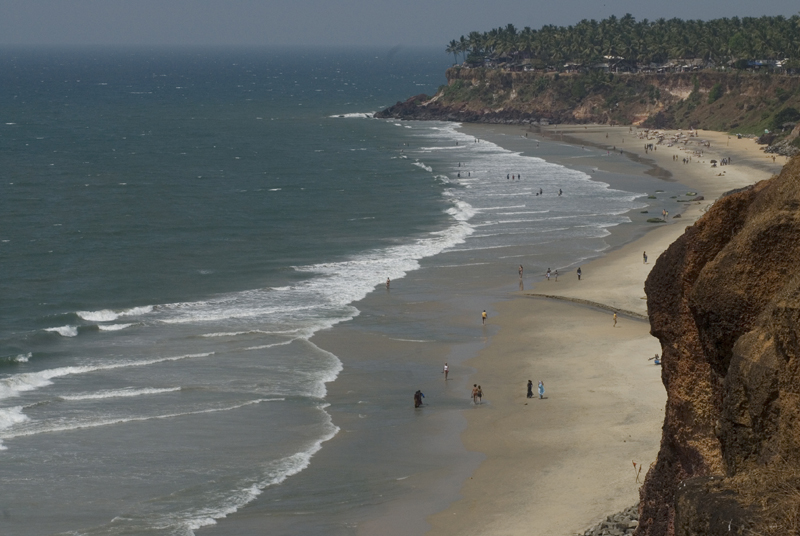
Varkala Beach is arguably the most visually striking coastal destination in Kerala, recognized globally for its distinctive geography. It is the only place in Kerala where dramatic coastal lateritic cliffs rise directly out of the Arabian Sea.1 This geological feature is not merely scenic; it represents a significant natural archive of Earth’s history.
The Intersection of Science and Spirituality
The Varkala Cliff is composed of Mio-Pliocene sedimentary rocks, known scientifically as the Warkalli Formation.29 This coastal escarpment, running for approximately 6.14 kilometers, exposes a rich sequence of variegated clays, red and white sandstones, and lignite seams.28 Recognizing its immense scientific value, the Geological Survey of India declared the cliffs a National Geological Monument, and it is currently under consideration as a potential UNESCO Geopark.30
A particularly compelling scientific aspect is the presence of the mineral jarosite within the Warkalli Formation. Jarosite, which forms through a specific replacement process from marcasite, is geologically notable because it is considered a "Martian analogue".31 The cliffs, therefore, act as a unique window into both regional Neogene to Quaternary geological transitions and planetary parallels, emphasizing that the environment here is highly fragile yet scientifically monumental.33
Juxtaposed against this geological marvel is a deep spiritual tradition. Varkala is often referred to as Dakshin Kashi (Benares of the South) due to the presence of the 2,000-year-old Janardana Swami Temple, an ancient Vaishnavaite shrine.30 The beach immediately below the cliff is known as Papanasam Beach, literally meaning "destruction of sins," as its waters are believed to hold curative and sin-washing properties.1 Historically, Varkala, known as Balita in ancient Greek manuscripts, also played a role in the Shunga Dynasty's trade history, serving as an ancient port for foreign traders.30
The Modern Vibe and Ecological Fragility
Today, the cliff top—the North Cliff—has transformed into a thriving global village, popular among solo travelers, backpackers, and wellness seekers.9 The area is vibrant with cliff-top resorts, budget hostels, yoga centers, and Ayurvedic spas, offering activities such as therapeutic baths from the natural springs, paragliding, and silent kayaking through the nearby Paravur mangrove forests.1
The immense popularity of Varkala, however, presents a significant dilemma concerning its long-term viability. The analysis of this coastal development reveals a critical vulnerability: the unique natural asset that draws global tourism is being actively threatened by the very activity it enables. The cliff strata—finer, more fragile, and varied than more massive structures33—is receding due to two main forces: natural erosion caused by high wave activity during the monsoon season, and anthropogenic influences.36 Uncontrolled construction and increased overburden pressure from resorts and commercial establishments built directly on the cliff edge exacerbate the instability.36
This direct linkage between unregulated tourism development and geological destruction means that every infrastructure decision in Varkala is essentially an ethical decision regarding the preservation of a national heritage site. The conscious traveler must recognize this fragility and opt for establishments that demonstrate a commitment to low-impact design and community reinvestment.
Kovalam: The Crescent Queen and Her Royal Legacy
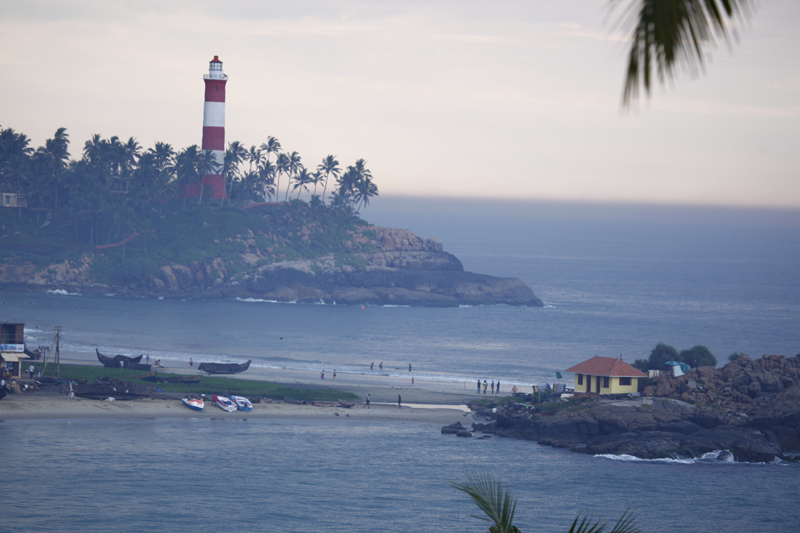
Just a short distance from the state capital, Thiruvananthapuram, lies Kovalam, historically the first destination to gain international attention.38 Kovalam is renowned for its iconic, crescent-shaped coastline, often described as a tropical paradise.1
Triple Beach Harmony and Historical Roots
The coastline is naturally segmented into three principal adjacent beaches:
- Lighthouse Beach: Named for the iconic red-and-white Vizhinjam Lighthouse, it is popular for photography and offers panoramic ocean views.1
- Hawah Beach (Eve's Beach): Ideal for swimming and sunbathing, surrounded by beachside cafés.1
- Samudra Beach: Offering a quieter, more peaceful ambiance away from the main tourist throng.1
Kovalam’s trajectory from a quiet fishing village to a major tourist hub began in the late 1920s when the Regent Maharani Sethu Lakshmi Bayi of Travancore constructed her beach resort, the Halcyon Castle.22 This royal endorsement brought it to the public eye. However, the destination achieved global fame in the early 1970s when it became a favored stop on the legendary Hippie Trail, leading to the rapid transformation of the local fishing village into a significant beach resort area.39
Kovalam today retains its popularity, serving as a robust hub for Ayurvedic treatments and offering easy access to sites like the beautiful Azhimala Shiva Temple, which overlooks the Arabian Sea.1
Niche Southern Shores and Confluences
- Poovar: Situated near the state border, Poovar is famous for its backwaters meeting the sea.42 It is particularly noted for its unique golden and black sand features and the opportunity for serene boat rides.5
- Pozhiyoor Beach: A secluded gem lying precisely where the Neyyar River flows into the Arabian Sea.23 This location is prized for its golden sands, quiet backwaters, and an utter lack of commercial chaos. It is a genuine "unplugged" spot, requiring visitors seeking deep contemplation to come prepared with their own amenities.23
III. The Central Coast Narrative: History, Coir, and Backwater Blends
The Central Coast, dominated by the districts of Alappuzha (Alleppey) and Kochi, offers a tourism experience dominated by water—specifically, the vast and complex backwater network. The beaches in this region are often historical points of trade or serene stretches closely integrated with village life.
Alappuzha (Alleppey) Beach: Maritime Heritage and Backwater Gateway
Alappuzha, affectionately nicknamed the "Venice of the East," is renowned worldwide for its intricate labyrinth of interconnected lakes, canals, and inlets.43 The city itself, historically a leading trading and fishing hub, serves as the primary gateway to the backwaters.24
Maritime History and the Coir Economy
Alappuzha Beach is anchored by its rich maritime past, a history symbolized by the Alappuzha Lighthouse. Constructed by the British in 1862, the lighthouse stands as a key historical landmark, offering visitors a panoramic view of the coastline and a palpable connection to Kerala’s maritime heritage.45
The proximity to the backwaters has cultivated an enduring local industry: coir production. Coir, derived from the natural fiber of the coconut husk, is frequently referred to as Kerala's "Golden Fibre".47 This industry is not merely a commercial activity but a deep cultural pillar, shaping the local economy and culture for generations, with commercial roots dating back to 1859.49 Crucially, the craft is maintained largely by women artisans using time-honored techniques, making it a critical source of livelihood.50
Immersion Focus: The World of Coir
For the traveler seeking meaningful engagement, visiting the coir industry offers a valuable alternative to standard coastal recreation. The International Coir Museum in Kalavoor provides an immersive journey into this craft, including historical exhibits, educational films, and, most importantly, live demonstrations of spinning and weaving techniques by skilled women artisans.47 Other coir processing units exist in villages like Chendamangalam.53
By visiting coir manufactories, especially those organized as cooperative societies, the traveler’s financial contribution is channelled directly into supporting traditional livelihoods and safeguarding a sustainable, eco-friendly craft.51 This hands-on interaction provides a deeper understanding of the "real Kerala" built on ingenuity and community effort.50
The Backwater Confluence and Environmental Pressure
The Alleppey experience is dual-natured: the bustle of the beach often transitions into the serene flow of the backwaters, where traditional houseboats (kettuvallams) offer an iconic tourist cruise.38 However, the analysis highlights a significant threat arising from the success of backwater tourism. The high volume of tourist vessels, now exceeding a thousand, has led to severe issues with pollution and overcrowding in vital areas such as the Vembanad Lake.56
Vembanad Lake is recognized internationally as a Ramsar Wetland, underscoring its immense ecological importance.3 The rapid and largely unchecked growth in houseboat numbers introduces excessive garbage and wastewater, which endangers the fragile biodiversity and the pristine charm of the region.57 This environmental stress demonstrates a structural conflict where commercial excess degrades the natural resource upon which the tourism industry relies. The responsible traveler is encouraged to prioritize licensed, eco-friendly houseboat operators or choose low-impact transport options such as traditional canoes or smaller shikara rides to mitigate this ecological impact.
Marari Beach and Marari Pozhi: The Sanctuary of Slow Travel
Marari Beach (Mararikulam) represents the archetype of slow coastal travel in Central Kerala It is celebrated for its quiet, tranquil ambiance, soft sands, and environmental ethos Accommodation options here often prioritize village-style architecture and Ayurvedic rejuvenationFor those seeking absolute seclusion, the region offers Marari Pozhi, the beach’s quieter, more introverted sibling Marari Pozhi boasts zero crowd stress and is an ideal location for deep relaxation, journal writing, or engaging in quiet reflection, making it a perfect retreat for travelers looking to truly disconnect and absorb the natural surroundings
The Kochi Coastal Cluster: Urban History and Chinese Nets
Kochi, or Cochin, serves as the vibrant cultural and historical nexus of Central Kerala. While the main Fort Kochi area is not a traditional swimming beach, its shoreline is defined by the iconic presence of the Chinese Fishing Nets Fort Kochi Beach offers a unique blend of history, culture, and coastal charm. This isn't your typical sunbathing beach, but its historical significance and unique attractions make it an unmissable coastal experience.
The Chinese Fishing Nets
The iconic Chinese fishing nets, believed to have been introduced by Chinese traders centuries ago, are the defining feature of Fort Kochi Beach These massive cantilevered structures silhouetted against the sunset are a sight to behold and a photographer's dream. Watching the fishermen expertly operate these nets is a fascinating glimpse into the region's maritime history.
Colonial Architecture
Fort Kochi is steeped in colonial history, with influences from the Portuguese, Dutch, and British evident in its architecture Stroll along the waterfront and you'll encounter charming colonial-era buildings, quaint cafés, and art galleries.
Sunset Views
Despite not being ideal for swimming, Fort Kochi Beach offers some of the most spectacular sunset views in Kerala As the sun dips below the horizon, painting the sky in vibrant hues, the silhouette of the Chinese fishing nets creates a truly magical scene.
Cherai Beach: The Tranquil Island Escape
Venturing north of Kochi, near Vypeen Island, lies Cherai Beach, a serene and picturesque stretch of sand fringed by coconut groves and paddy fields on the other side
The Lagoon and the Sea
Cherai is unique for its narrow strip of land separating the backwaters from the sea This creates a fascinating landscape where you can witness both the gentle flow of the lagoon and the crashing waves of the Arabian Sea within a short distance.
Dolphin Sightings
Cherai is known for occasional sightings of dolphins playing in the shallow waters, adding an element of magic to your beach experience. Early mornings are the best time to try and spot these playful creatures.
The Chinese Fishing Nets (Smaller Scale)
While not as grand as in Fort Kochi, you'll find smaller Chinese fishing nets dotting the backwater side of Cherai.further highlighting the region's fishing heritage.
Relaxed Ambiance
Cherai is perfect for those seeking a peaceful beach getaway. The long stretch of sandy shore is ideal for leisurely walks, and the shallow waters are safe for swimming. The presence of numerous resorts and homestays along the beach allows for a comfortable and relaxing stay.
IV. The Northern Malabar Coast Narrative: Fortifications, Drives, and Uncharted Shores
The Northern Malabar Coast, encompassing Kannur and Kasaragod, represents the frontier of Kerala tourism
Bekal Fort Beach: Laterite Majesty and Planned Tourism
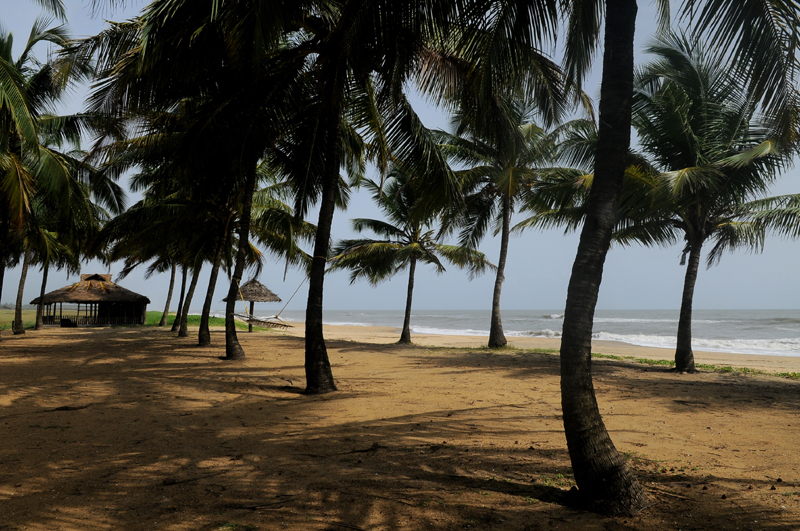
Bekal, in the northernmost district of Kasaragod, is dominated by the majestic Bekal Fort, the largest and best-preserved fort in Kerala Constructed in the 17th century by Shivappa Nayaka of the Keladi Nayaka dynasty, the fort is built entirely from laterite slabs and rises dramatically over the Arabian Sea.
Architecture, History, and the Coast
The fort’s architecture is defined by a strategic defensive design, including a unique keyhole structure, zigzag entrance, and strategically placed loopholes Standing atop its ramparts, visitors gain a commanding view of the coastline
Bekal’s appeal extends beyond history. Nearby beaches such as Pallikere are noted for stretches of black sand dunes The region has been designated a special tourism zone since 1992 indicating a planned and measured approach to development. This emphasizes eco-friendly and sustainable practices
Kannur’s Coastal Identity: Adrenaline and Ancient Rituals
Adrenaline and Tranquility
Muzhappilangad Drive-in Beach is famed as India’s only and Asia's longest drive-in beach The beach offers the rare joy of driving along 4 km of firm sand
In contrast, quiet retreats like Kizhunna Ezhara Beach offer serene sunsets and local hospitality
The Cultural Anchor
The North Malabar coast is the primary center for Theyyam, a spectacular ritualistic dance tradition This profound spiritual and cultural tradition binds the coastal communities, offering visitors a chance to link their beach exploration with ancient ritualistic art that remains highly localized and uncommercialized. The prevalence of such deep cultural events reinforces the Malabar Coast's identity as a raw, authentic destination.
Other Malabar Gems
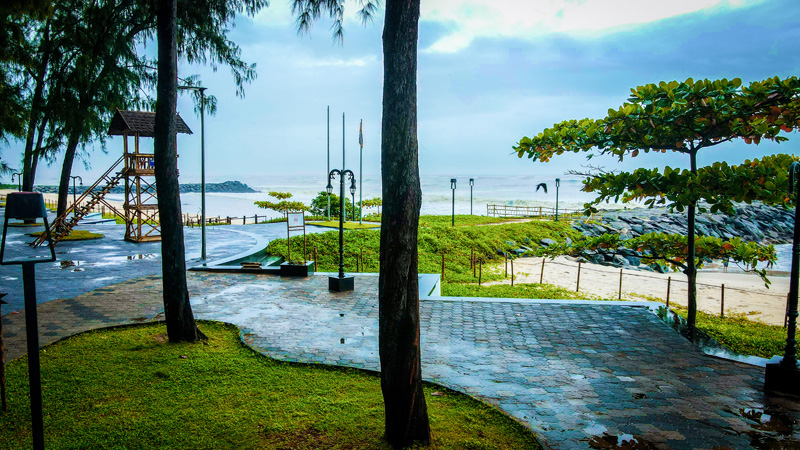
- Kappad Beach (Kozhikode): Holds immense historical significance as the landing site of the Portuguese explorer Vasco da Gama in 1498, marking a pivotal moment in global maritime trade.59
- Vallikunnu Beach (Malappuram): A serene and secluded spot known for its velvety sands and thick coconut groves.60 Vallikunnu provides ample opportunities for respectful interaction with the local fishing community and is located near the rich biodiversity of the Kadalundi Bird Sanctuary.61
V. The Humane Lens: Coastal Livelihoods, Policy, and Ecology
A truly nuanced understanding of Kerala’s coastline requires acknowledging the human and ecological systems that sustain it. The "humane" approach to travel demands recognition of traditional economies, environmental vulnerabilities, and the complex policy conflicts shaping the coast’s future.
The Rhythms of the Fisherman's Life
Fishing is not merely an activity but the lifeblood of Kerala’s coastline, sustaining generations of communities and influencing local cuisine.62 For the conscious traveler, observing and engaging with these practices is essential to grasping the coast’s soul.
Ingenuity and Tradition in the Catch
Kerala’s fishermen utilize a variety of indigenous and highly skilled techniques.63 In the seas, different types of nets are employed, sized and cast in specific ways—whether fixed against currents or flung over a spot.64 In the backwaters, ingenuity takes the form of specialized, low-impact practices. This includes creating artificial submerged brush piles or reefs on the lakebed to attract fish, using vibrations to alert fishermen before a net is cast.65 Perhaps the most specialized practice involves the ancient technique of bow-and-arrow fishing, where fishermen use modified bows, reels, and specialized arrows to swiftly retrieve their catch.66
The presence of this traditional livelihood alongside modern recreational activity offers an insightful cultural comparison. In Varkala, for instance, the contrast between local fishermen dragging boats to shore and foreign visitors surfing on boards highlights the duality of the ocean’s purpose—livelihood versus leisure.67 Responsible travel involves seeking out opportunities, often offered by local village communities, to observe or participate respectfully in these traditional fishing experiences, thereby ensuring tourist revenue directly supports these generations-old economic structures.68
Ecology and Conservation: The Fragile Confluence of Water
The health of Kerala's beaches is inseparable from the health of its backwaters and estuaries. This extensive network of waterways constitutes a vital and vulnerable ecosystem.
The Ramsar Connection and Biodiversity
Several of Kerala’s key aquatic areas, including the vast Vembanad Wetland and the Ashtamudi Wetland, are designated as Ramsar Wetlands of International Importance.69 These areas are critical biodiversity hotspots, harboring over 150 species of fish, including the commercially significant and locally cherished pearl spot fish (Karimeen), as well as over 190 species of birds, many of which are migratory.70 The fluctuating salinity in these backwaters, controlled partly by structures like the barrage near Thanneermukkom, plays a critical role in supporting unique aquatic life, including crabs, otters, and various water birds. 71
The Role of Mangrove Ecosystems
Mangrove forests, particularly notable in areas like Kadalundi and Paravur, are essential for coastal resilience. 72 These ecosystems act as natural nurseries for marine species, protect the shoreline from storm surges, and serve as crucial carbon sinks.73 Conservation efforts, such as ecological restoration projects and control strategies for invasive alien species, are ongoing to protect these vital coastal flora and fauna.74
The Critical Policy Tension: CRZ, Development, and Fisherfolk Rights
The long-term sustainability and equitable development of the Kerala coast are fundamentally governed by the Coastal Regulation Zone (CRZ) Notification, which aims to balance environmental conservation with essential development needs.75 However, the analysis reveals a significant socio-political conflict regarding the application of these norms, which directly impacts the definition of "humane tourism."
The Conflict Over Urbanization
Traditional fisherfolk and coastal dwellers, organized under bodies like the Kerala Matsya Thozhilali Aikya Vedi, argue vehemently that the state government is pursuing a strategy that threatens their residential rights and livelihood.76 The central issue revolves around the request to transfer numerous coastal villages from CRZ III (which denotes rural, high-conservation areas with strict development buffers) to CRZ II (which denotes urban, already developed areas allowing closer construction).77
The fisherfolk allege that this push to re-categorize is not aimed at helping them rebuild or repair their traditional homes, as was permitted under concessions in other states, but rather to benefit the real estate and tourism lobby. 78 They argue that bringing more areas under CRZ II status allows for intensive commercial and tourism infrastructure development, ultimately alienating traditional coastal dwellers from their ancestral habitats and placing their already vulnerable existence in grave danger.79
This socio-economic challenge is intrinsically linked to environmental degradation. The experience of Varkala demonstrated how unchecked commercialization leads to physical and environmental deterioration. 80 By enabling large-scale, often disruptive, construction closer to the shoreline, the alleged twisting of CRZ norms threatens to reduce coastal resilience to natural disasters and accelerate the exodus of traditional communities—the very communities that lend Kerala’s coast its authentic cultural identity.81
The structural conflict between commercial imperatives and traditional rights mandates that the conscious traveler be highly discerning. Choosing tourism providers and accommodations that actively demonstrate respect for CRZ mandates, prioritize local hiring, and reinvest in local community welfare and housing needs is paramount to participating in ethical and humane coastal tourism.
VI. Practical Planning: Logistics, Luxury, and Sustaining the Vibe
A successful journey through Kerala’s diverse coastline requires careful logistical planning, an appreciation for the variety of accommodation available, and a deep dive into the state’s regional culinary wealth.
Planning Your Coastal Journey: Access and Flow
Most tourist itineraries follow a natural South-to-Central flow, leveraging the connectivity between the state capital, Thiruvananthapuram (serving Kovalam and Varkala), and the major transit hub of Kochi (serving Alleppey and the backwaters).82 Travel between key southern destinations is relatively efficient; for example, the distance from Kovalam to Alleppey is approximately 172 kilometers, translating to about 3.5 hours by road.83 Local transport options include KSRTC buses, hired taxis, and autorickshaws.84
In contrast, accessing the Northern Malabar Coast—Bekal and Kannur—often requires a dedicated extension or separate planning due to the greater distance from the southern airport hubs.85 This physical separation contributes to the region’s less commercialized, more secluded atmosphere.
Accommodation Spectrum: Blending Comfort and Authenticity
Kerala’s coastal accommodation offers a remarkable spectrum, catering to the luxury wellness tourist and the budget backpacker alike.
- Luxury and Wellness Retreats: The coast is internationally known for its high-end Ayurvedic resorts, focused on holistic rejuvenation and providing ocean-facing luxury.86 Properties like Taj Bekal Resort & Spa and Niraamaya Retreats cater to travelers seeking privacy, sophistication, and extensive spa services.87
- The Homestay Heart: For genuine cultural immersion, homestays are highly recommended. Establishments like Kannur Beach House offer a true local experience, often providing authentic homemade meals and direct, familial interaction with the local community, which is essential for capturing the "nature vibes" of the state.88 The resort landscape around Marari also favors a "village-style" ethos, often built with natural materials and strong environmental principles.89
The Coastal Culinary Journey: Spice, Seafood, and Regional Flavours
Kerala’s cuisine is a celebration of its geographical bounty, defined by liberal use of coconut, rice, and the vast array of spices—including cardamom, pepper, and cinnamon—that originally drew global traders to its shores. 90 Seafood, drawn directly from the Arabian Sea and the nutrient-rich backwaters, reigns supreme. 91
Must-Try Coastal Specialties:
- Karimeen Pollichathu: This quintessential Kerala delicacy features the pearl spot fish (karimeen), native to the backwaters. The fish is typically marinated in rich spices, wrapped tightly in a banana leaf, and steamed or pan-fried, locking in moisture and flavor. 92
- Kappa and Meen Curry: A hearty, rustic combination of cassava (tapioca) (kappa) served with a fiery, coconut-milk-based fish curry. 93
- Regional Specialties: Travelers should seek out regional variations like the spice-rich Malabar Biryani (often prepared with fish or meat) in the Northern districts, and the abundance of unique seafood offerings—including mussels, oysters, and prawns— freshly caught in places like Kollam and Alappuzha. 94
Safety, Seasonality, and Responsible Beach Practices
Coastal travel requires awareness of seasonal variations and safety protocols enforced by local authorities.
Seasonal Considerations
The ideal period for visiting Kerala’s beaches is generally between October and March, when the climate is pleasant. 95 The southwest monsoon season (June to August) brings high rainfall and significant changes in coastal morphology. 96 During this time, high wave activity often leads to rapid beach profile lowering and erosion, which can affect swimming safety and recreational access. 97
Safety and Environmental Standards
Local governance, including the State Disaster Management Authority (SDMA) and Beach Management Committees, has actively worked to strengthen beach safety. 98 Recognized beaches are supported with crucial rescue equipment, including life buoys, rescue surfboards, and dedicated beach guards. 99 Furthermore, the introduction of international benchmarks, such as the Blue Flag certification, highlights areas dedicated to exceptional water quality, high safety standards (including designated safe swimming zones), and sustainable environmental management. 100 Beaches pursuing or achieving this certification, such as Chal Beach near Kannur, represent the gold standard for ecologically and socially responsible coastal experiences. 101
VII. Synthesis and Humane Recommendations
Kerala's coastline presents a rich, multi-layered environment where geological history, ancient spiritual traditions, vibrant local livelihoods, and modern tourism intersect. The inherent geographical constraints—the cliffs of Varkala and the estuarine nature of the backwater beaches—have naturally guided Kerala towards a model of reflective, cultured travel, distinct from the mass beach market.
However, this report has analyzed a fundamental and mounting tension: the success of tourism is inadvertently accelerating environmental and social stress. The integrity of geological assets (Varkala Cliffs) is threatened by cliff-top construction, and the ecological health of international wetlands (Vembanad Backwaters) is jeopardized by unregulated commercial traffic.
Most critically, the socio-political conflict surrounding the Coastal Regulation Zone (CRZ) illuminates the struggle for equitable coastal development. The allegations by fisherfolk that policy shifts favor real estate and tourism lobbies over the residential and livelihood rights of traditional coastal settlers pose a severe ethical challenge to the state's self-proclaimed status as "God's Own Country."
The humane traveler seeking the true Kerala nature vibes must adopt a mandate of ethical consumption. This involves:
- Prioritizing Responsible Accommodation: Selecting homestays, licensed low-impact operators, and resorts with transparent, verifiable commitments to local community welfare and environmental protection.
- Engaging with Livelihoods: Actively supporting traditional, low-impact economic activities, such as coir cooperative tours, local artisan markets, and respectful observation of fishing practices.
- Advocating for Conservation: Recognizing that sites like Varkala Cliff and Vembanad Lake are fragile heritage assets—geological and ecological— and choosing modes of travel (e.g., traditional canoes over excessive houseboats) that reduce anthropogenic pressure.
By grounding their journey in these principles, the conscious traveler transforms a simple coastal vacation into a vital act of cultural support and environmental stewardship, ensuring that the shores of Kerala remain resilient and vibrant for generations to come.
Data Synthesis: The Core Conflicts in Kerala's Coastal Tourism
The following table summarizes the identified structural conflicts that define the social and environmental challenges inherent in sustaining Kerala's coastline:
Table 3: The Coastal Regulation Zone (CRZ) Dilemma — A Humane Policy Overview
| Stakeholder | Core Concern/Goal | Policy Position (CRZ) | Inferred Impact on Kerala Coast |
|---|---|---|---|
| Traditional Fisherfolk | Protection of residential rights, livelihood, and access to coast. | Alleging state seeks to re-categorize CRZ III (rural) to CRZ II (urban). 102 | Increased vulnerability to displacement; inability to rebuild/repair homes; loss of traditional habitat. 103 |
| Tourism & Real Estate | Maximizing coastal development and infrastructure (hotels, resorts). | Benefitting from re-categorization to CRZ II (urban) status. 104 | Potential for uncontrolled development, especially near fragile areas like Varkala Cliff. 105 |
| Environmentalists/NGOs | Conservation of sensitive ecosystems (mangroves, backwaters). | CRZ relaxation (reduced NDZ, less protection for private mangroves). 106 | Increased pollution (e.g., in Vembanad Lake) and ecosystem degradation. 107 |
| Responsible Tourist (CCT) | Seeking authentic experience and ethical consumption. | Demand for transparency and support for sustainable/local enterprises. | Must choose accommodation/tours responsibly to minimize socio-environmental impact. 108 |
References
- Kerala Coastal Zone Management Authority – Overview of CRZ supervision and implementation in Kerala. keralaczma.gov.in.
- Kerala Centre for Integrated Coastal Zone Management – Mission and objectives of coastal conservation in Kerala. envt.kerala.gov.in.
- Coastal Regulation Zone (CRZ) Notification, 2019 – official documentation of coastal zone regulatory framework. CRZ Notification 2019 (PDF).
- Wikipedia — Cherai Beach (location, features, tourism). Wikipedia: Cherai Beach.
- Wikipedia — Fort Kochi Beach (historical and cultural context). Wikipedia: Fort Kochi Beach.
- Wikipedia — Perumathura Beach (secluded coastal shore experiences). Wikipedia: Perumathura Beach.
- Wikipedia — Chavakkad Beach (estuary and tourism context in Kerala). Wikipedia: Chavakkad Beach.
- Wikipedia — Mundakkal Beach (historical and cultural importance in Kollam). Wikipedia: Mundakkal Beach.
- Wikipedia — Azheekal Beach (coastal geography and fishing harbour context). Wikipedia: Azheekal Beach.
- Kerala Marine Fisheries overview — coastline length and fishing economy. fisheries.kerala.gov.in.
- Coastal Zone Management Plans (CZMP) explanation — zoning definitions and public participation. visionias.in.
- Times of India report — coastal erosion risks and socio-environmental vulnerability along Kerala’s coast. timesofindia.indiatimes.com.
- CRZ Notification 2011 (Kerala-specific provisions). panchayatwiki.lsgkerala.gov.in.
- Kerala Coastal Zone Management Authority — official CRZ notifications. keralaczma.gov.in — Notifications.