Why This Site Exists
Kerala Is Not a Backdrop — It's a System
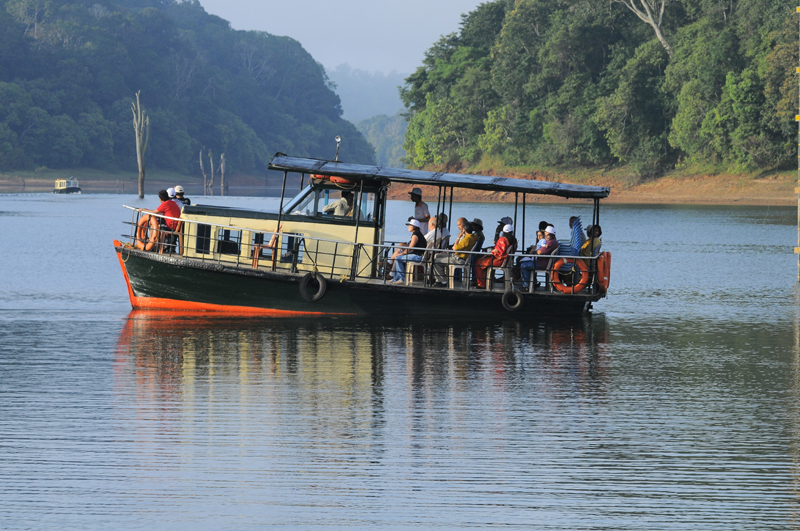
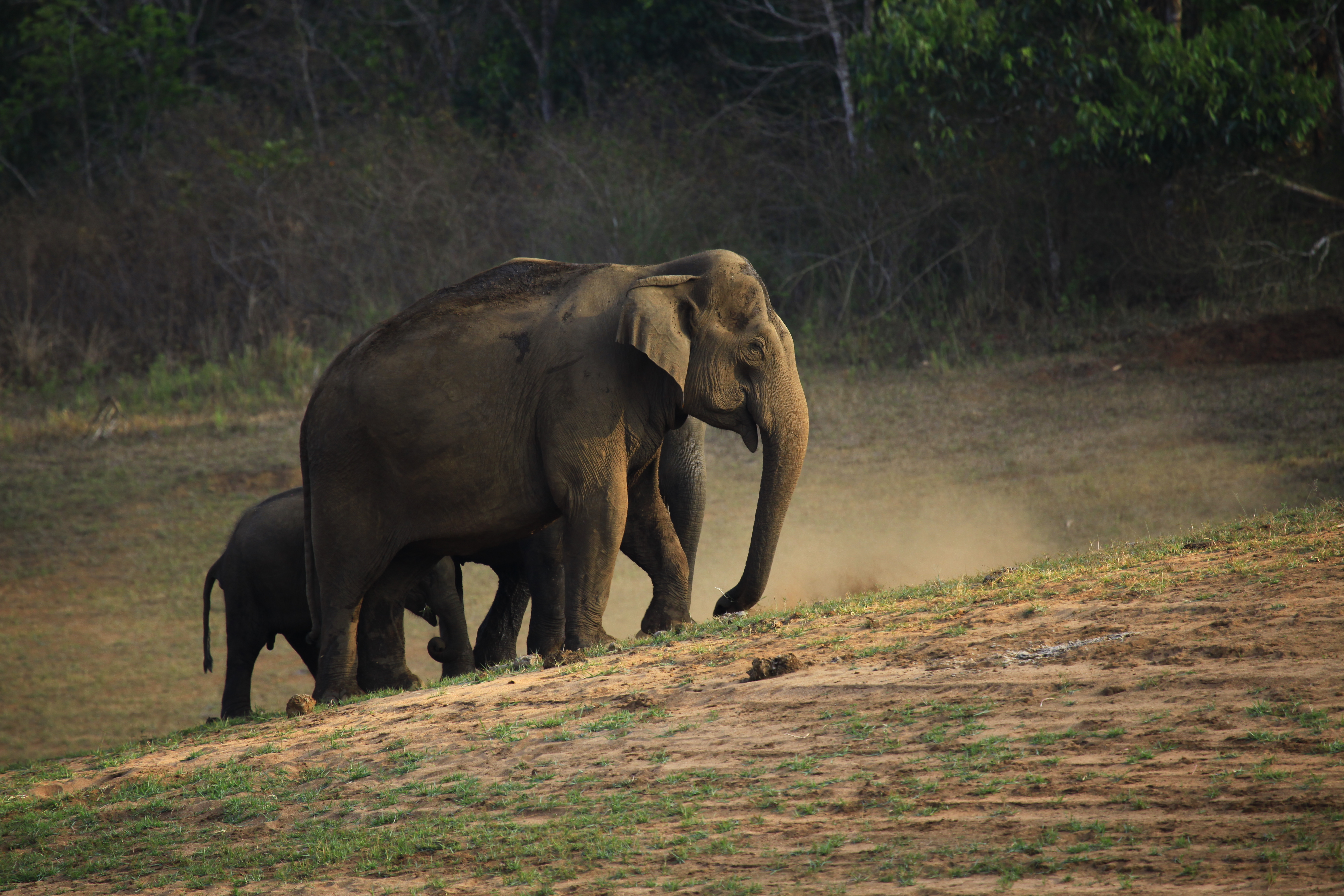
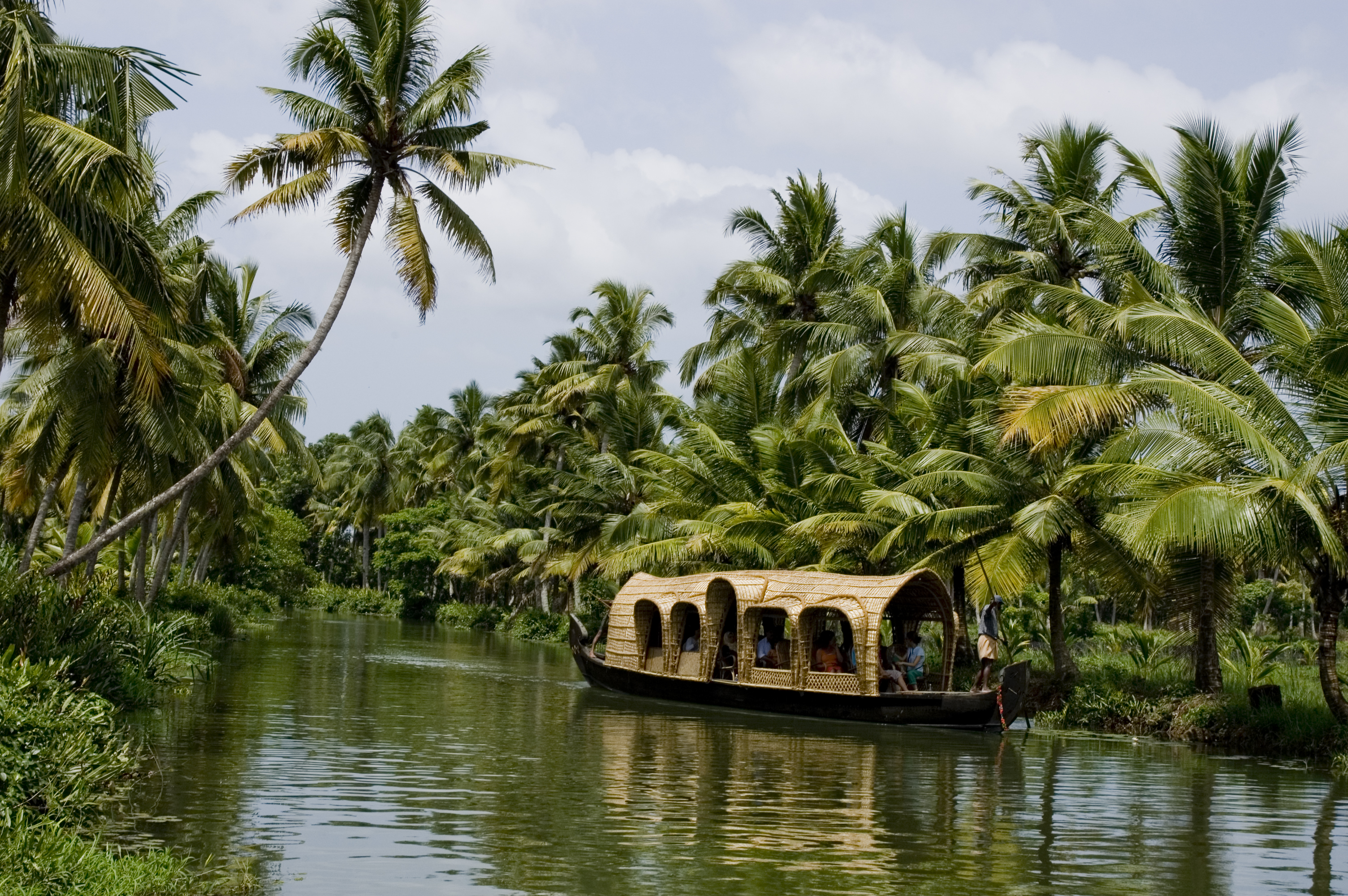
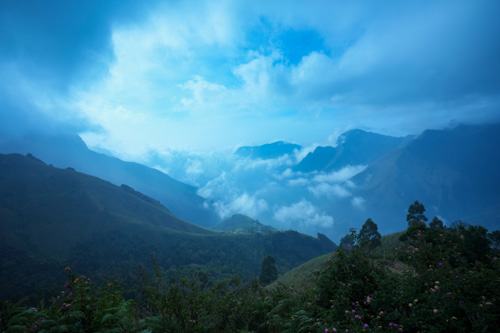
Most travel writing about Kerala treats the state as a collection of photographs — a houseboat at sunset, a tea estate in the mist, an elephant at a lake's edge. Those images are real, but they're symptoms of something larger: a genuinely rare concentration of intact ecosystems packed into a narrow strip of land between the Arabian Sea and the Western Ghats, one of only eight biodiversity hotspots recognised worldwide.
We started Kerala Nature Vibes because most of what gets written about this state treats its forests, wetlands and sacred sites as scenery rather than as systems — living, working ecosystems with their own histories, pressures and rules. A tiger reserve like Periyar isn't just a backdrop for a boat ride; it's a 925 sq. km watershed that fifty years of deliberate conservation policy — Project Tiger in 1978, Project Elephant in 1992 — helped keep intact. A sacred grove in Ernakulam isn't just a quaint local custom; it's a 2,000-year-old conservation mechanism that has, in its own quiet way, done more to protect specific patches of Western Ghats biodiversity than most formal legislation.
That's the lens we try to bring to every guide on this site: enough ecological and historical grounding that you understand why a place looks the way it does, alongside the practical detail — how to get there, when to go, what it costs, what to pack — that actually helps you plan a trip. We'd rather a guide be genuinely useful to fifty people who read it carefully than skimmed by five thousand who don't come away knowing anything they didn't already.
We also try to be honest about tension rather than paper over it. Kerala's forests support both extraordinary biodiversity and, in places like Sabarimala, some of the largest annual human gatherings on Earth — and those two facts don't always sit comfortably together. Responsible travel, as we use the term, isn't a marketing label; it's a habit of asking what a visit actually costs the place you're visiting, and trying to keep that cost as low as the experience deserves to be high.
What Guides This Site
- Facts checked against primary sources — forest department data, published ecological surveys, official tourism bodies — not recycled travel-blog claims
- Uncertainty stated plainly where it exists, rather than smoothed over for a cleaner story
- Photo credits given properly — Department of Tourism, Government of Kerala, or Creative Commons Wikimedia sources, named in full
- No content dressed up as "eco-tourism" that's really just a resort with a garden
Four Ecosystems, One State
The Landscapes That Shape Every Kerala Journey
Kerala compresses an unusual range of ecosystems into roughly 580 km of coastline and a few hundred kilometres of inland distance. Understanding these four broad systems is a useful starting point before picking a destination.
Rainforests & Sacred Groves
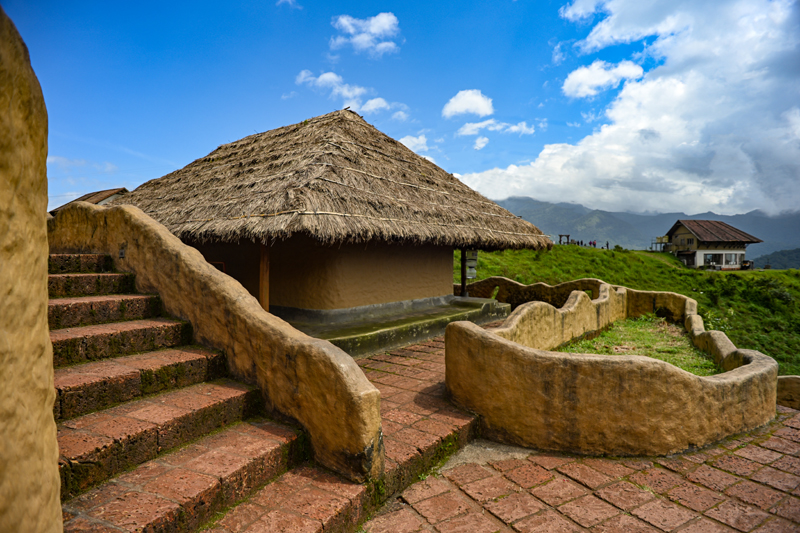
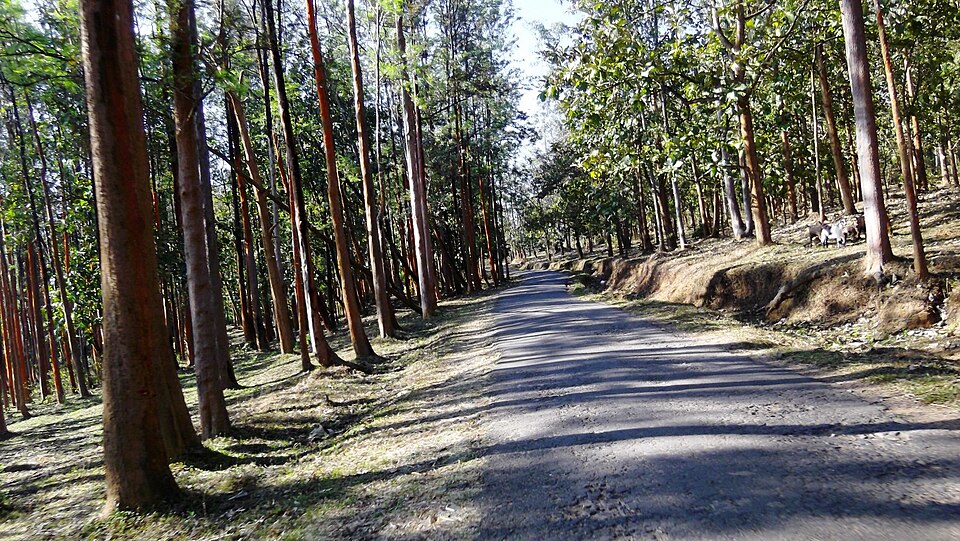
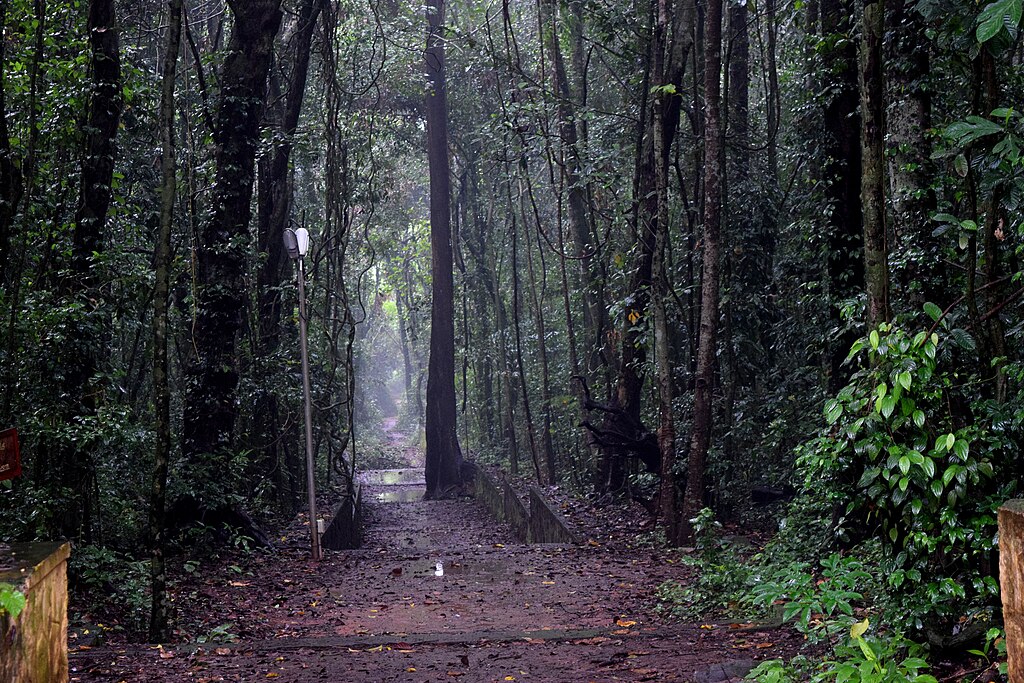
The Western Ghats' evergreen and shola forests, alongside Kerala's Kavus — small sacred groves that religious taboo has protected for centuries, in some cases longer than any formal law.
Tiger Reserves & Wildlife Corridors
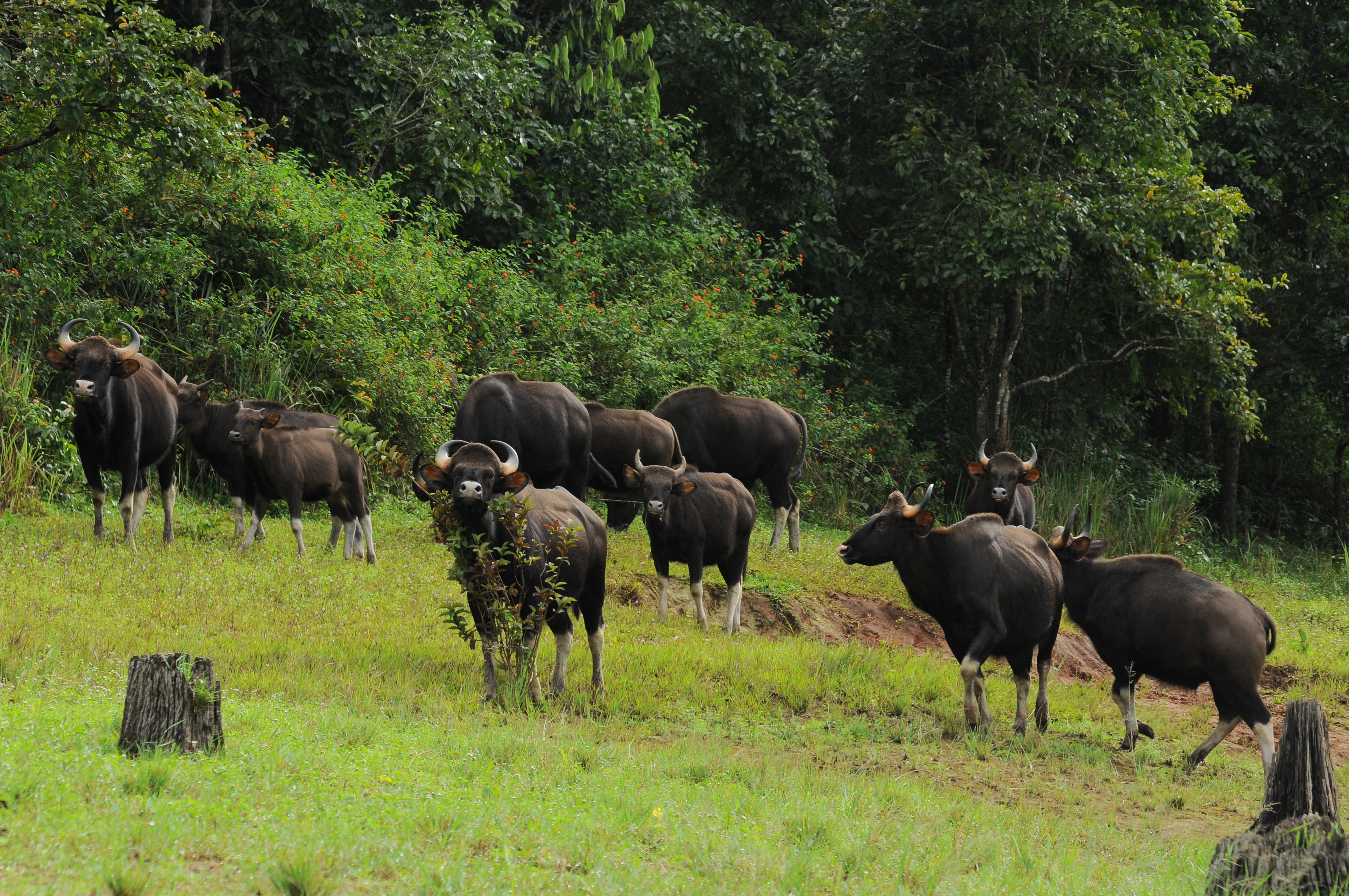
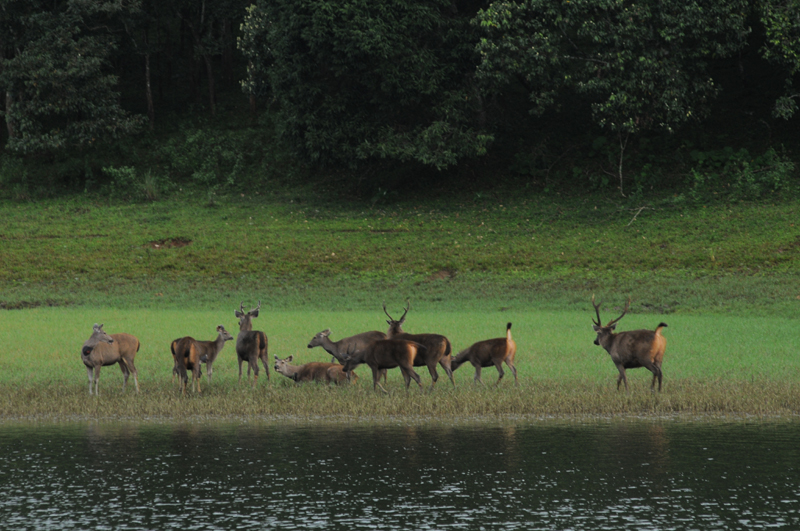
Periyar, Wayanad and the wider Nilgiri Biosphere Reserve — home to wild elephants, tigers, gaur and some of India's most studied conservation-and-community models.
Backwaters & Wetlands
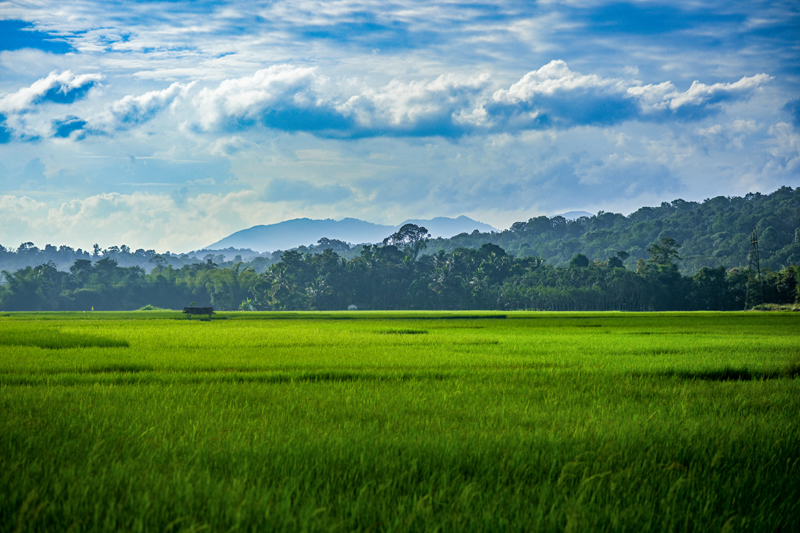
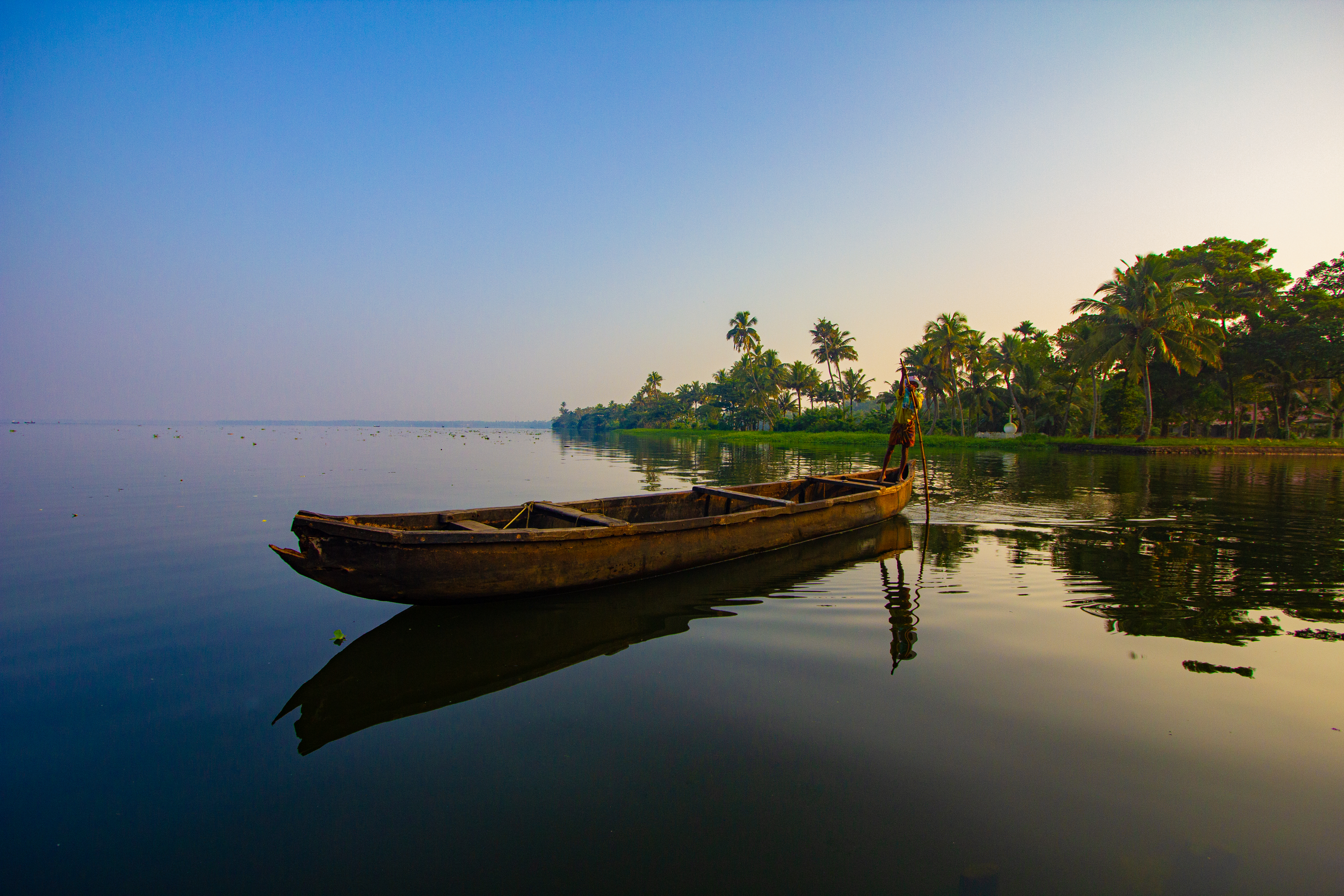
A 900 km network of Ramsar-listed lagoons and canals, and the below-sea-level paddy farming of Kuttanad — one of the more unusual agricultural landscapes anywhere in the world.
Coastline & Spice Highlands
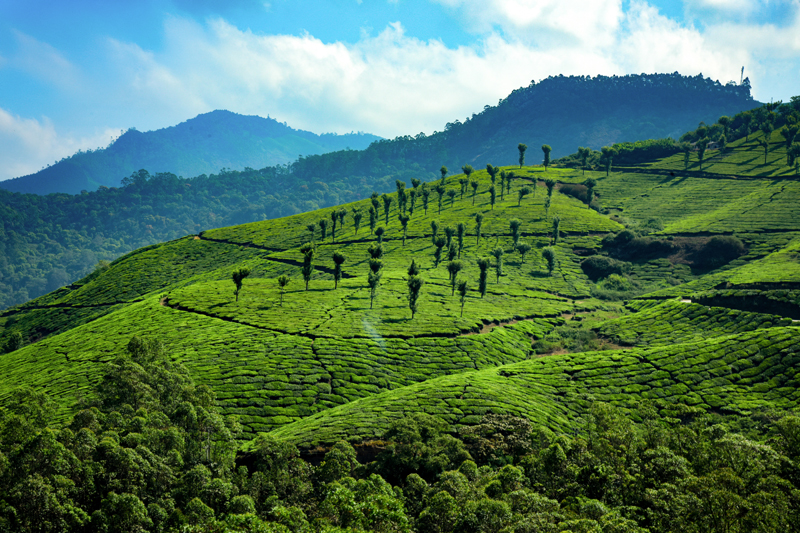
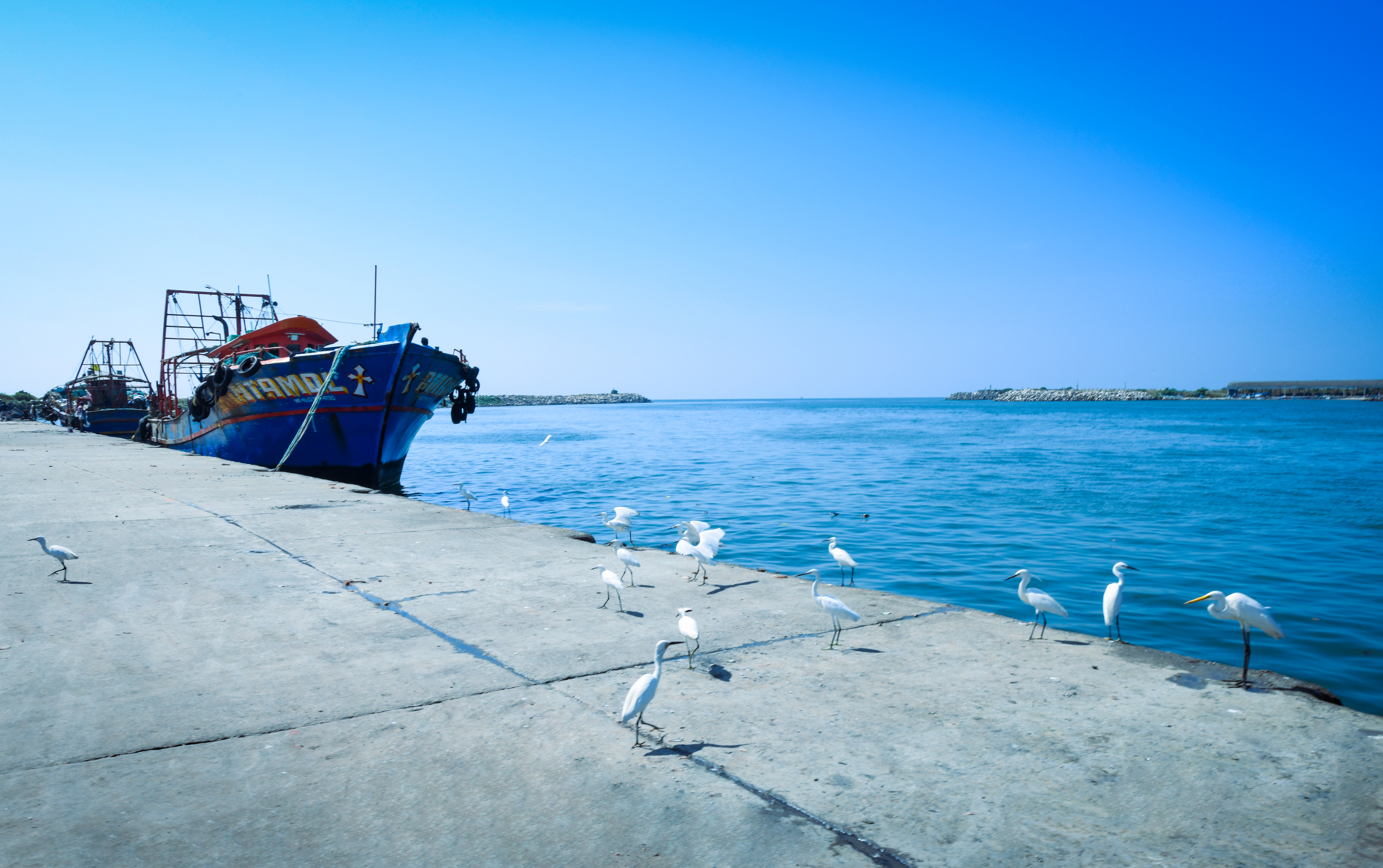
Fishing harbours and laterite cliffs along the Arabian Sea, and the cardamom, pepper and tea country of the midland hills that drew traders here for two millennia.
Start Here
Guides Worth Reading Before You Go
These are the guides we'd point a first-time visitor to first — each one written with the same standard: real ecological grounding, honest practical detail, and no padding.

Periyar Tiger Reserve
925 sq. km of Western Ghats forest — boat safaris, bamboo rafting and a conservation model built around former poachers turned guides.
Photo © Dept. of Tourism, Govt. of Kerala

Wayanad Eco-Tourism
Tribal-led forest stays, three interconnected wildlife sanctuaries, and a district where over 70% of the land is still forest.
Photo © Dept. of Tourism, Govt. of Kerala

Kerala's Sacred Groves (Kavus)
10,742 recorded groves statewide — how belief, not legislation, has quietly protected some of Kerala's richest biodiversity for two millennia.

Kerala Backwaters Explained
The geography, ecology and real local life behind the houseboats — 900 km of waterways and centuries of below-sea-level farming.
Photo © Dept. of Tourism, Govt. of Kerala

Kerala Adventure Tourism
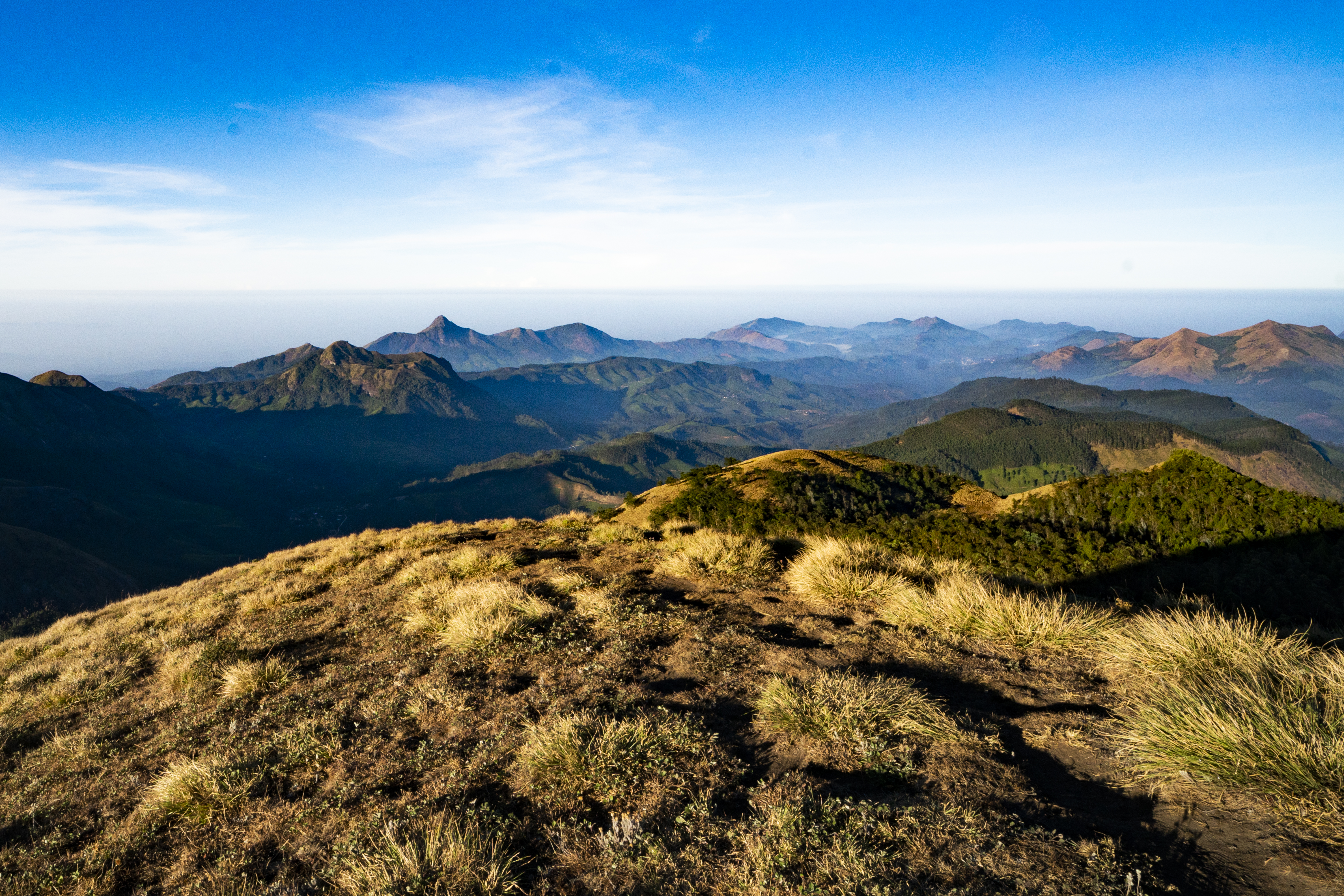
Permits, seasons and honest difficulty ratings for the Western Ghats' trekking trails, rivers and highland routes.
Photo © Dept. of Tourism, Govt. of Kerala

Sabarimala's Sacred Forest
One of the world's largest pilgrimages, seen through the tiger reserve it takes place inside — biodiversity, conservation and global context.
Explore by Interest
Plan Around What You Actually Want
What Counts as Eco-Tourism
Our working definition, and why a resort with a garden doesn't qualify.
Trekking & Adventure
Permits, seasons and difficulty ratings across the Western Ghats.
Nature & Culture
How Kerala's forests, rivers and mountains came to be worshipped as living deities.
Backwaters & Wetlands
The ecology behind the houseboats, and the villages that live on this water.
Field Notes & Stories
Longer dispatches on specific places, species and journeys.
Plan a Trip
Seasons, routes and how to put a responsible itinerary together.
How We Work
What "Responsible" Actually Means Here
We use "responsible tourism" carefully rather than as decoration. In practice, it means a few concrete commitments that run through everything we publish.
🔍 Sourced, Not Recycled
Numbers and history come from forest department records, published research and named tourism bodies — cited, not lifted from other travel sites and passed along uncredited.
📸 Honest Image Credit
Photography is credited to its actual source — the Department of Tourism, Government of Kerala, or named Creative Commons photographers via Wikimedia Commons.
🤝 Community Comes First
Where we recommend an experience — a tribal homestay, a community-run boat, a certified guide — we say so, and we say why it matters that the money reaches the people doing the work.
Kerala Nature Stories, Occasionally
New guides, season updates and conservation notes from Kerala's forests and wetlands — sent only when we have something worth saying.
No spam. Unsubscribe anytime.